

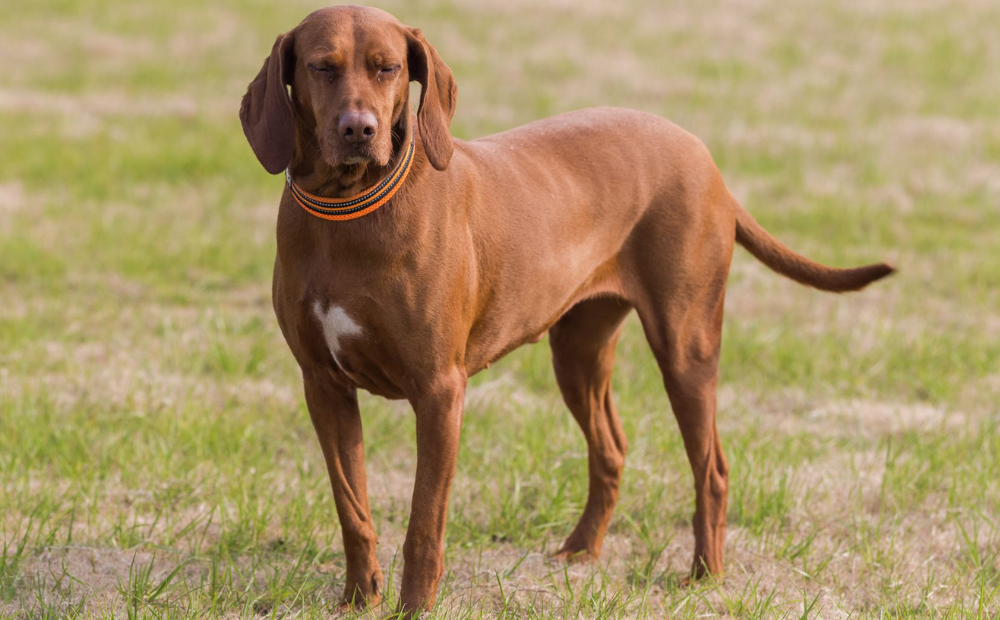
The coonhound is more than just a hunting dog. It is a loyal friend, a smart tracker, and a loving family companion when raised with care. Known for its strong nose and musical bark, the dog has a rich history in America. These dogs were bred to track raccoons and other game, even in rough land and dark forests. Over time, they became trusted partners for hunters and beloved pets in many homes.
What makes the this unique is its balance of power and kindness. It works hard outdoors but relaxes calmly at home. Many owners say living with a coonhound feels like having a cheerful, curious friend who always wants to explore. This guide will help you understand breeds, puppies, care needs, and real-life behavior so you can decide if this dog fits your life.
Biography & Profile
| Feature | Details |
|---|---|
| Dog Type | Scent Hound |
| Origin | United States |
| Primary Purpose | Hunting and tracking |
| Size | Medium to large |
| Weight | 45–75 pounds |
| Height | 21–27 inches |
| Lifespan | 10–14 years |
| Temperament | Loyal, friendly, alert |
| Energy Level | Medium to high |
| Coat Type | Short to medium |
| Best For | Active families, hunters |
| Trainability | Moderate |
| Barking Level | High |
What Is a Coonhound Dog?
A coonhound dog belongs to a group of American scent hounds bred for tracking animals by smell. These dogs use their noses more than their eyes. Once they find a trail, they follow it with great focus. When the animal climbs a tree, the dog stays below and alerts the hunter.
This are known for their deep baying sound. It helps hunters locate them from far away. While this trait is useful outdoors, it means owners must train them early at home. Inside the house, it’s are often calm, gentle, and affectionate. They enjoy being near people and usually get along well with children and other dogs.
History and Origin of the Coonhound
The story of the begins in early America. Settlers needed a dog that could hunt at night and handle thick forests. They crossed European hounds with local dogs to create something stronger and smarter. Over time, different coonhound breeds developed, each with special skills.
These dogs helped families survive by hunting raccoons for food and fur. Their bravery and stamina made them highly valued. Even today, many still work as hunting dogs. Others live as loving pets, carrying the same loyal spirit their ancestors had.
Coonhound Breeds Explained
There are six main breeds. Each has its own look and personality, but all share the same strong nose and working spirit.
Redbone Coonhound: Friendly and Elegant
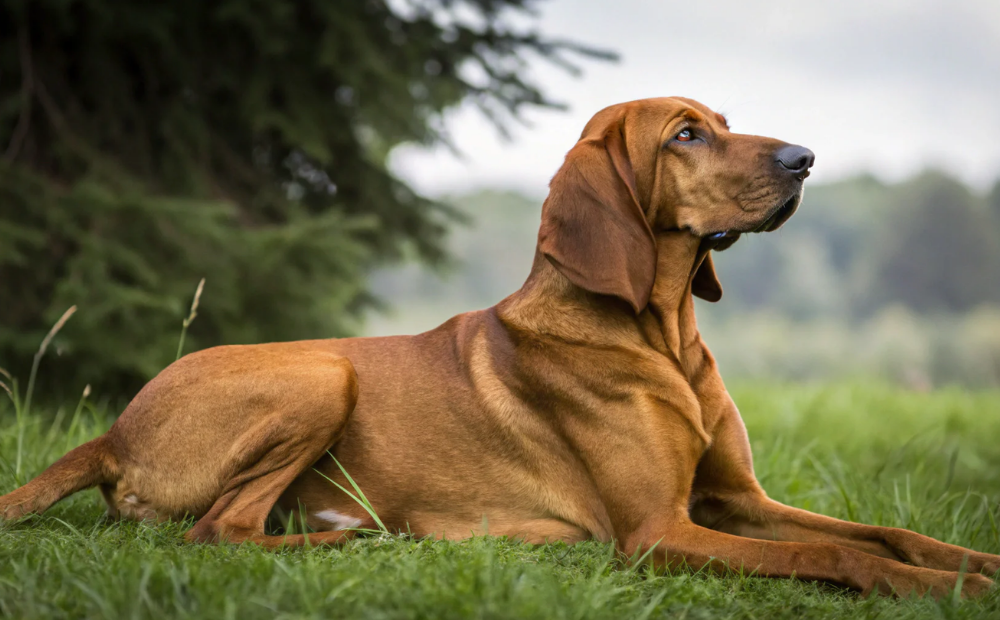
The redbone Coonhound is known for its rich red coat and graceful body. This breed is calm, loving, and easy to bond with. Redbone coonhound puppies often grow into dogs that enjoy family life as much as outdoor adventures.
They are good with children and usually friendly with strangers. Their smooth coat is easy to care for, making them a popular choice for first-time owners who still want an active dog.
Bluetick Coonhound: Bold and Focused
The bluetick coonhound has a beautiful blue-spotted coat and a serious hunting drive. This breed is very focused and determined. Bluetick puppies need early training and social time.
At home, they are loyal and loving. Outdoors, they are tireless workers. Their deep bark is famous, so proper training is important if you live near neighbors.
Treeing Walker Coonhound: Fast and Athletic
The treeing walker coonhound is fast, alert, and full of energy. Sometimes called the tree walker coonhound or walker Scent Hound, this breed excels in speed and accuracy.
These dogs need daily exercise and mental challenges. They do best with active owners who enjoy long walks or outdoor work. With proper training, they become affectionate and dependable companions.
Black and Tan Coonhound: Calm and Confident
The black and tan coonhound is large, strong, and steady. It has a calm personality and a patient nature. This breed often forms deep bonds with its family.
They are slower than some other dogs but very reliable trackers. Their confident attitude makes them easy to manage with consistent training.
American English Coonhound: Adaptable and Social
The american english dois adaptable and social. It handles both hunting and family life well. This breed is alert and enjoys being part of daily activities.
They are friendly with other dogs and usually polite with strangers. Early training helps them learn house rules quickly.
Coonhound Puppy: What to Expect
A Scent Hound puppy is playful, curious, and full of energy. Puppies love to explore and follow smells. This behavior is natural and should be guided, not punished.
Training should start early using patience and positive rewards. Social time with people and other dogs helps build confidence. Puppies need safe toys, short walks, and lots of affection to grow into balanced adults.
Redbone Coonhound Puppies vs Bluetick Coonhound Puppies
Redbone coonhound puppies tend to be calmer and more people-focused. They adapt well to family routines. Bluetick Scent Hound puppies are more intense and curious, often driven by scent.
Both types need structure, love, and training. Choosing between them depends on your lifestyle and energy level.
Personality and Temperament of Coonhounds
The dog is friendly, loyal, and alert. These dogs enjoy human company and often follow their owners around the house. They are gentle with kids and usually tolerant of other pets when raised properly.
However, their strong nose can lead them to wander. A fenced yard and leash training are important. With proper care, This dogs are joyful companions that bring warmth to any home.
Training a Coonhound the Right Way
Training a requires patience and consistency. These dogs are smart but independent. They respond best to calm guidance and rewards.
Short training sessions work best. Repeating commands gently helps them learn. Avoid harsh methods, as they can damage trust. A well-trained is confident, obedient, and happy.
Exercise and Daily Activity Needs
Dogs need daily movement. Long walks, scent games, and playtime keep them healthy. Without exercise, they may become bored and vocal.
Mental stimulation is just as important as physical activity. Puzzle toys and training games help burn energy and build focus.
Diet and Nutrition for a Healthy Coonhound
A balanced diet keeps a strong and active. High-quality dog food with protein supports muscle health. Fresh water should always be available.
Avoid overfeeding, as can gain weight easily. Portion control and regular meals help maintain a healthy body.
Grooming and Health Care
Most have short coats that are easy to groom. Weekly brushing removes loose hair. Regular ear cleaning is important, as their long ears can trap dirt.
Routine vet visits, vaccinations, and parasite prevention support a long, healthy life.
Living With a Coonhound: Real Owner Insight
Many owners say their becomes part of the family quickly. One owner shared that their dog greets them every day with a gentle howl and wagging tail. Another mentioned how calming it feels to walk with a that enjoys every scent along the way.
These real experiences show how deeply connect with people.
FAQs
1. Are coonhounds good family dogs?
Yes, Scent Hound are loving, gentle, and loyal with families.
2. Do coonhounds bark a lot?
They can be vocal, especially when bored or excited.
3. Are coonhounds easy to train?
They are smart but independent, needing patience.
4. Can coonhounds live in apartments?
Only with daily exercise and training.
Conclusion: Is the Coonhound Right for You?
The Scent Hound is a loyal, intelligent, and hardworking dog with a loving heart. Whether you choose a redbone Scent Hound, bluetick Scent Hound, or treeing walker coonhound, you gain a companion full of personality and purpose. These dogs thrive with active owners who value patience, kindness, and daily connection.
If you are ready to provide love, exercise, and guidance, a can become one of the most rewarding companions you will ever have.

