

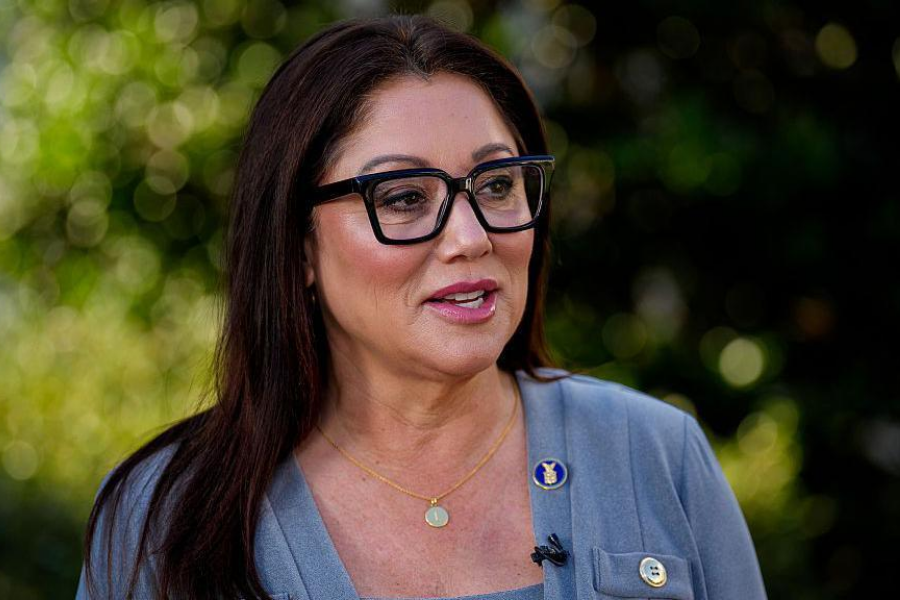
The rising interest in labor secretary lori chavez-deremer reflects a growing curiosity about her political journey, leadership style, and role in shaping U.S. labor policy. Lori Chavez-DeRemer has emerged as a notable figure in American politics, known for her pragmatic approach and bipartisan appeal. From serving as mayor to becoming a member of Congress, her path has been defined by a focus on economic development, workforce issues, and community-driven leadership.
With increasing attention around topics like lori chavez-deremer labor department nomination, her confirmation process, and her policy platform such as “America at Work,” many are eager to understand her background more deeply. Questions about her personal life, including lori chavez-deremer husband, her financial standing, and her family roots, are also commonly searched.
This article provides a comprehensive, well-structured look at her biography, political career, policy priorities, and public image—giving readers a clear and insightful understanding of her growing influence.
Early Life and Background
Family Roots and Parents’ Nationality
Lori Chavez-DeRemer was born on April 7, 1968, in Santa Clara, California. She comes from a family with Hispanic heritage, which has shaped her identity and connection to diverse communities. Interest in lori chavez-deremer parents nationality often stems from her surname and cultural background, reflecting her roots in Mexican-American heritage.
Her upbringing emphasized strong values such as hard work, community service, and entrepreneurship—principles that would later influence her political outlook.
Education and Early Career
Before entering politics, Chavez-DeRemer built a career in business. She co-owned a small business and gained firsthand experience in managing employees, navigating regulations, and understanding workforce challenges.
This real-world experience plays a central role in her political messaging, especially when discussing job creation and economic policies.
Entry Into Politics
From Local Leadership to National Stage
Chavez-DeRemer began her political journey at the local level, serving on the city council before becoming mayor of Happy Valley, Oregon. Her tenure as mayor focused on:
- Infrastructure development
- Economic growth
- Public safety initiatives
Her leadership style was often described as practical and results-driven, which helped her gain broader political support.
Election to Congress
In 2022, she was elected to the U.S. House of Representatives, representing Oregon’s 5th congressional district. Her victory was seen as significant, highlighting her ability to connect with a wide range of voters.
In Congress, she quickly became known for her work on labor issues, small business support, and bipartisan collaboration.
Labor Secretary Nomination and Confirmation
Understanding the Labor Department Nomination
The discussion around lori chavez-deremer labor department nomination gained traction as her profile rose nationally. Her experience as a business owner and local leader positioned her as a candidate with practical insights into workforce challenges.
Her nomination process emphasized:
- Workforce development strategies
- Job creation policies
- Balanced labor relations
The Confirmation Process
The topic of lori chavez-deremer labor secretary confirmation reflects public interest in whether her leadership aligns with national labor priorities. Confirmation hearings typically evaluate:
- Policy expertise
- Leadership experience
- Ability to manage federal agencies
- Commitment to workers’ rights and employer balance
Her bipartisan approach has been both a strength and a point of debate during these discussions.
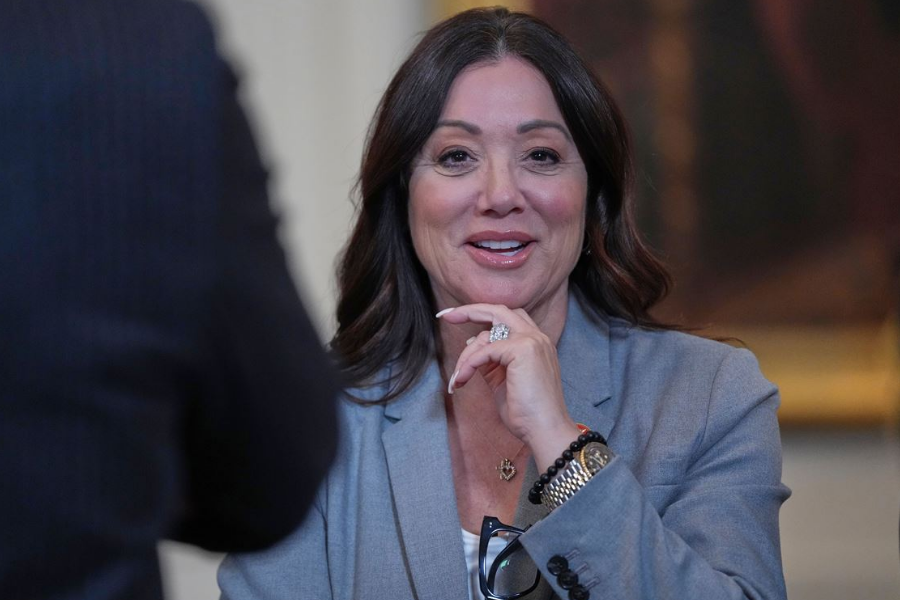
Policy Vision: America at Work
What Is “America at Work”?
A key part of her policy framework is often associated with lori chavez-deremer america at work, a concept centered on strengthening the U.S. workforce.
This vision focuses on:
- Expanding job opportunities
- Supporting small businesses
- Enhancing workforce training programs
- Promoting fair labor practices
Key Priorities
Her policy approach includes:
- Bridging the gap between employers and workers
- Encouraging vocational education and skills training
- Supporting economic resilience in local communities
This balanced perspective appeals to both business leaders and working-class voters.
Personal Life: Husband and Family
Lori Chavez-DeRemer Husband
Interest in lori chavez-deremer husband highlights the public’s curiosity about her personal life. She is married to Dr. Shawn DeRemer, a physician and entrepreneur.
Their partnership reflects a blend of professional success and community involvement. Together, they have raised a family while maintaining active roles in their respective careers.
Family and Values
Family plays a central role in her life and public image. She often emphasizes:
- Strong family values
- Community engagement
- Work-life balance
These elements contribute to her relatable and grounded political persona.
Lori Chavez-DeRemer Net Worth and Financial Profile
Understanding Her Financial Standing
The topic of lori chavez-deremer net worth often arises alongside her political career. While exact figures may vary, her wealth is generally linked to:
- Business ownership
- Real estate investments
- Household income from professional careers
Transparency and Public Records
As a public official, her financial disclosures provide insight into her assets and investments. These disclosures are part of standard requirements for members of Congress.
Her financial profile reflects a background in entrepreneurship rather than long-term political career earnings.
Leadership Style and Public Image
A Pragmatic Approach
Chavez-DeRemer is often described as a pragmatic leader who prioritizes solutions over ideology. Her approach includes:
- Working across party lines
- Focusing on practical outcomes
- Engaging with local communities
Public Perception
Her image combines:
- Business-minded leadership
- Community-focused values
- Moderate political positioning
This has helped her appeal to a diverse voter base, particularly in competitive districts.
Challenges and Political Landscape
Navigating National Politics
Transitioning from local leadership to national politics presents challenges such as:
- Increased scrutiny
- Complex policy decisions
- Balancing diverse stakeholder interests
Key Issues She Faces
Some of the major issues shaping her political journey include:
- Labor rights vs. business interests
- Economic recovery and job growth
- Workforce development in a changing economy
Her ability to navigate these challenges will define her long-term impact.
Broader Impact on U.S. Labor Policy
Potential Influence as Labor Secretary
If confirmed or considered for such a role, her leadership could influence:
- Federal labor regulations
- Worker protection policies
- Employer-employee relations
A Balanced Perspective
Her background suggests a focus on:
- Collaboration rather than confrontation
- Economic growth alongside worker protection
- Long-term workforce sustainability
This balanced approach could shape future labor discussions in meaningful ways.
FAQ Section
1. What is Lori Chavez-DeRemer known for?
She is known for her role as a U.S. Representative from Oregon and her focus on labor issues, small business support, and bipartisan policymaking.
2. What is her “America at Work” policy about?
“America at Work” refers to her vision for strengthening the workforce through job creation, training programs, and balanced labor policies that support both employees and employers.
3. Who is Lori Chavez-DeRemer’s husband?
Her husband is Dr. Shawn DeRemer, a physician and entrepreneur. They have built a family together while maintaining active professional lives.
4. What is Lori Chavez-DeRemer’s background before politics?
Before entering politics, she was a business owner and community leader, which gave her practical experience in managing employees and understanding economic challenges.
Conclusion
Lori Chavez-DeRemer’s journey from business owner to national political figure highlights a career built on practical experience and community engagement. Her focus on workforce development, balanced labor policies, and bipartisan collaboration positions her as a significant voice in shaping the future of labor discussions in the United States.
As interest continues to grow around her leadership and policy direction, her story offers insight into how modern political figures navigate complex economic and social challenges. It also raises an important question—how will leaders like her redefine the relationship between workers, businesses, and government in the years ahead?

