

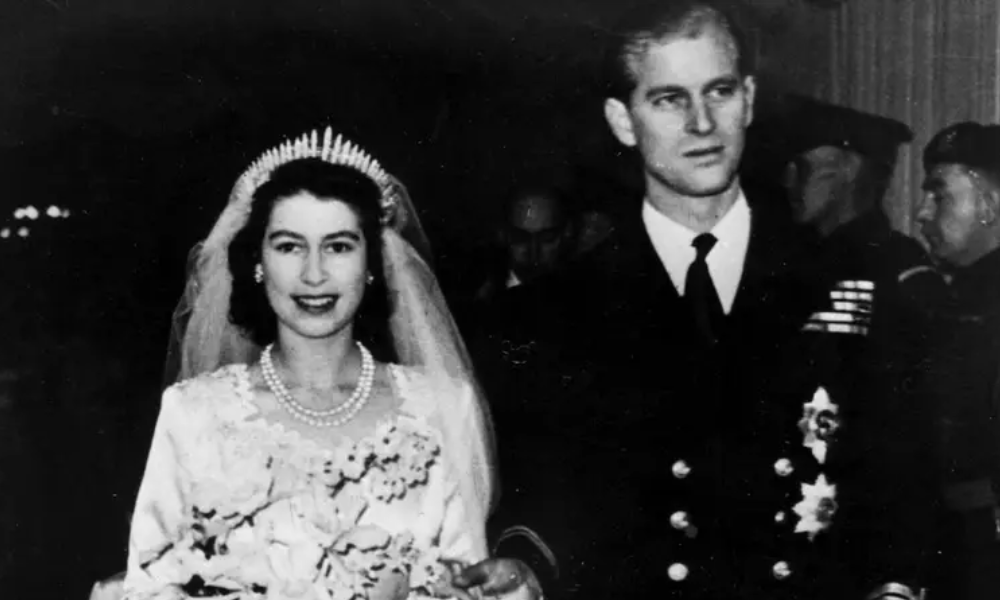
Royal weddings are not just beautiful ceremonies with stunning gowns and sparkling crowns. They have often shaped the course of European history. These unions were sometimes love stories, sometimes strategic alliances, and often powerful tools of politics. From peace treaties to new dynasties, royal marriages have left lasting marks on countries, cultures, and even the world.
I have always been fascinated by the stories behind royal weddings. Reading how a single marriage could change borders or influence religion made me realize that history is not only about battles and kings but also about love, family, and politics. In this article, we explore the most influential royal weddings that defined Europe’s past.
1. Ferdinand of Aragon and Isabella of Castile: United Spain
One of the most famous European royal weddings was between Ferdinand of Aragon and Isabella of Castile in 1469. Their marriage united two of Spain’s strongest kingdoms.
- Impact: The union laid the foundation for modern Spain.
- Historical Significance: They supported Christopher Columbus’s voyage, opening new trade routes and leading to Spain’s golden age.
- Political Outcome: Their marriage strengthened Spain against France and Portugal and allowed religious consolidation through the Spanish Inquisition.
This wedding shows how royal marriages could affect not just one country but entire continents. Their story is a perfect example of politics, strategy, and family intertwined in history.
2. Catherine of Aragon and Henry VIII: Love, Divorce, and Religious Change
The marriage between Catherine of Aragon and Henry VIII began as a political alliance between England and Spain. Initially, it strengthened ties between these nations.
However, when Henry sought an annulment, it led to the English Reformation. This split from the Catholic Church created the Church of England and changed religion in Europe forever.
As I read about their story, I was struck by how personal decisions, like marriage, can ripple through history. It reminds us that royal weddings were often about more than love—they could influence governments, religion, and public life.
3. Marie Antoinette and Louis XVI: Glamour and Revolution
The wedding of Marie Antoinette and Louis XVI in 1770 was a grand event meant to secure peace between Austria and France.
- Impact: It strengthened alliances between two powerful nations.
- Cultural Effect: Their lavish lifestyle at Versailles sparked public resentment, contributing to the French Revolution.
This story shows that royal weddings could create cultural as well as political influence. The public’s reaction to luxury and excess could even change the course of history. I always find it fascinating how a single wedding could indirectly trigger a revolution.
4. Queen Victoria and Prince Albert: Love and Diplomacy
The marriage of Queen Victoria and Prince Albert in 1840 shaped not only Britain but also Europe. They became symbols of morality, family values, and diplomacy.
- Impact: Their union strengthened British-German relations.
- Cultural Significance: They promoted domestic life, fashion, and charitable work, influencing society.
From my research, I realized that Victoria and Albert’s partnership was about more than love; it was a strategic alliance that left a lasting cultural impact across Europe. They set a standard for what it meant to be a royal couple.
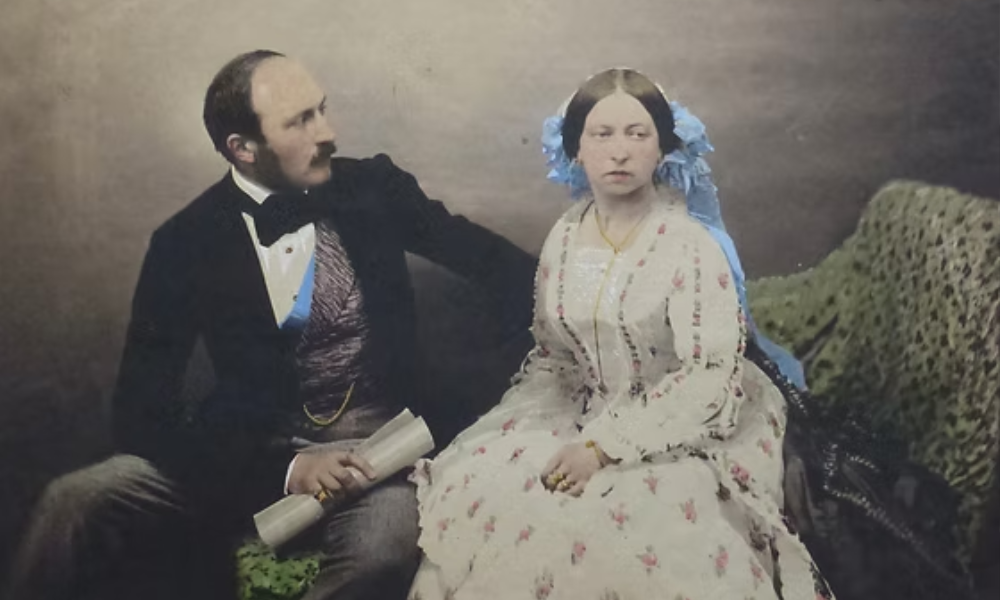
5. Alexandra of Denmark and Edward VII: Elegance Meets Diplomacy
The wedding of Alexandra of Denmark and Edward VII in 1863 combined diplomacy with style.
- Political Influence: It reinforced ties between Denmark and the UK.
- Cultural Influence: Alexandra’s fashion sense and public demeanor shaped royal image-making for decades.
Royal weddings often had hidden purposes. Beyond the ceremony, they could influence public perception and international relations. Observing Alexandra’s elegance gives us a glimpse of how image and politics intertwined in royal life.
6. Prince Rainier III and Grace Kelly: Modern Royalty
In 1956, Prince Rainier III of Monaco married Hollywood star Grace Kelly. This wedding was less about politics and more about culture and media influence.
- Impact: It boosted Monaco’s global reputation and tourism.
- Cultural Significance: It blurred lines between celebrity and royalty, creating worldwide fascination.
Watching their wedding footage, I felt the shift from political alliances to cultural influence. Royal weddings evolved, capturing hearts and media attention around the world.
7. Charles, Prince of Wales, and Lady Diana Spencer: The People’s Wedding
The 1981 wedding of Prince Charles and Lady Diana Spencer captured global attention.
- Impact: It renewed interest in the British monarchy.
- Cultural Significance: Diana’s humanitarian work and charisma changed how royals were perceived by the public.
Even in modern times, royal weddings influence culture, fashion, and public life. Diana’s story demonstrates the power of a wedding to affect millions, blending personal life with national sentiment.
8. The Strategic Role of Royal Marriages
Royal weddings often served critical political purposes:
- Peace Treaties: They ended conflicts or strengthened alliances.
- Territorial Expansion: Dynastic unions could merge countries.
- Cultural Exchange: They influenced fashion, art, and social norms.
From my studies, I noticed a pattern: behind every royal wedding was a strategy to shape history. Love stories were often entwined with politics, demonstrating the real power of these unions.
9. Lesser-Known Royal Weddings With Big Impact
Some royal weddings are not widely remembered but had significant effects:
- Mary, Queen of Scots and Francis II of France: Their marriage solidified French-Scottish alliances.
- Isabella of France and Edward II of England: Their union impacted English politics for generations.
Learning about these weddings reminded me that history is full of fascinating, lesser-known stories. Every wedding, no matter how obscure, played a role in shaping Europe.
10. Lessons From History
Royal weddings show us that history is often personal. A single marriage could:
- Prevent wars or trigger conflict.
- Influence religion, culture, and fashion.
- Shape dynasties and public perception.
From my perspective, these weddings offer valuable lessons: power and personal choices are intertwined. We can see how decisions in private ceremonies ripple through nations and centuries.
Conclusion: Royal Weddings as Windows to History
Royal weddings are more than celebrations. They are reflections of love, power, politics, and culture. From Ferdinand and Isabella to Charles and Diana, these unions shaped Europe in countless ways.
The next time you watch a royal wedding, remember: behind the flowers and gowns lies centuries of history, diplomacy, and human stories. These weddings are not just fairy tales—they are pivotal moments that defined European history.
FAQs
1. Why were royal weddings important in European history?
Royal weddings often secured alliances, merged dynasties, and influenced political and cultural trends. They were as much about strategy as celebration.
2. Which royal wedding had the biggest political impact?
Ferdinand and Isabella’s marriage shaped Spain and global exploration. Catherine of Aragon and Henry VIII’s wedding influenced religion in England.
3. How did royal weddings affect culture?
They influenced fashion, etiquette, art, and public celebrations. Royals often set trends that spread across Europe.
4. Were all royal weddings political?
Not all. Some, like Rainier III and Grace Kelly’s, were more about culture and public image, though politics was usually involved.

