

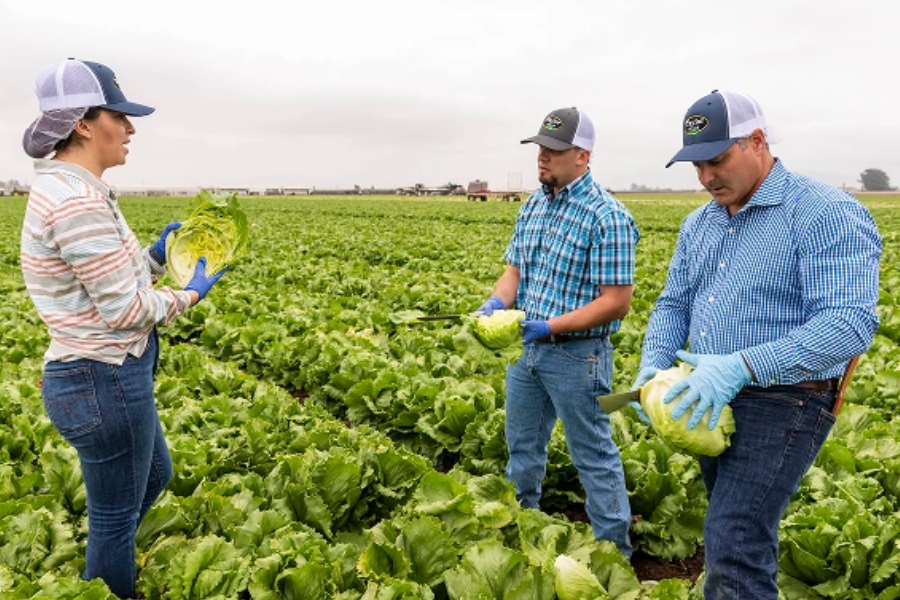
Taylor Farms is one of North America’s largest fresh produce companies, supplying lettuce, salads, and other vegetables to grocery stores, restaurants, and food service businesses. Recently, public attention has grown around Taylor Farms lettuce after reports linked a Cyclospora parasite outbreak to fresh produce served at several restaurant locations, including Taco Bell. While investigations into foodborne illnesses can be complex, many consumers want clear answers about what happened, whether Taylor Farms products were involved, and what the findings mean for food safety.
This guide explains the facts behind the Taylor Farms Cyclospora investigation, the relationship between the cyclospora parasite outbreak Taco Bell cases and fresh lettuce, how Cyclospora spreads, and what consumers should know. You’ll also learn where Taylor Farms is located, how outbreaks are investigated, and what steps both suppliers and restaurants take to reduce food safety risks.
What Is Taylor Farms?
Taylor Farms is a privately owned fresh produce company specializing in packaged salads, leafy greens, vegetables, fruits, and ready-to-eat meal ingredients. The company supplies supermarkets, restaurants, hospitals, schools, and food service providers across North America.
Its products include:
- Packaged lettuce
- Salad kits
- Chopped vegetables
- Fresh-cut fruit
- Meal ingredients
- Value-added produce
Because of its size, Taylor Farms supplies many major restaurant chains and retailers, making it one of the most recognized names in the fresh produce industry.
Where Is Taylor Farms Located?
Many people searching where is Taylor Farms located are surprised to learn that the company operates numerous facilities rather than a single headquarters.
Taylor Farms is headquartered in:
- Salinas, California
The company also operates production and distribution facilities throughout:
- California
- Arizona
- Colorado
- Washington
- Texas
- Tennessee
- Florida
- Ontario (Canada)
- Mexico
Having multiple growing and processing locations allows the company to supply fresh produce throughout the year.
Understanding Cyclospora
Cyclospora is a microscopic parasite that causes an intestinal illness known as cyclo-sporiasis.
Unlike bacteria, Cyclospora is a parasite that infects the digestive tract after contaminated food or water is consumed.
Common symptoms include:
- Watery diarrhea
- Stomach cramps
- Loss of appetite
- Fatigue
- Nausea
- Weight loss
- Bloating
- Low-grade fever
Symptoms usually appear about one week after exposure and can last several weeks without proper treatment.
How Does Cyclospora Contaminate Lettuce?
Unlike many bacteria, Cyclospora generally does not multiply on food after harvest.
Contamination usually occurs before produce reaches consumers through:
- Contaminated irrigation water
- Poor sanitation during growing
- Environmental contamination
- Improper handling during harvesting
Leafy greens are particularly vulnerable because they are often eaten raw without cooking, allowing the parasite to survive until consumption.
The Taylor Farms Cyclospora Investigation
The phrase Taylor Farms Cyclospora became widely searched after investigators examined possible links between fresh produce and reported illnesses.
Public health officials typically investigate outbreaks by:
- Interviewing sick individuals.
- Identifying common foods consumed.
- Tracing ingredients through distributors.
- Testing available samples.
- Reviewing supply chain records.
In foodborne illness investigations, identifying a supplier does not automatically mean that every product from that supplier was contaminated. Investigations focus on determining whether a specific batch, shipment, or supply chain contributed to the outbreak.
What Happened With the Cyclospora Parasite Outbreak and Taco Bell?
Interest in the cyclospora parasite outbreak Taco Bell increased after multiple customers reported gastrointestinal illness.
Investigators focused on fresh produce served at affected restaurant locations because leafy greens have historically been associated with Cyclospora outbreaks.
The investigation looked at several fresh ingredients, including:
- Romaine lettuce
- Salad blends
- Other uncooked vegetables
Supply chain tracing is a normal part of outbreak investigations and helps identify whether a common distributor or grower supplied affected restaurants.
Why Taco Bell Lettuce Became a Focus
The term Taco Bell lettuce appeared frequently in news coverage because lettuce is served raw in many menu items.
Fresh lettuce can be challenging from a food safety perspective because:
- It is minimally processed.
- It is not cooked before serving.
- Large volumes are distributed quickly.
- Multiple farms may contribute to a single salad blend.
This is why investigators carefully examine lettuce suppliers whenever illness patterns suggest fresh produce may be involved.
Taylor Farms Lettuce and Food Safety
Millions of bags of Taylor Farms lettuce are sold every year across North America.
Like other major produce companies, Taylor Farms employs numerous food safety measures, including:
- Agricultural water monitoring
- Worker hygiene programs
- Produce washing systems
- Environmental testing
- Quality assurance inspections
- Cold chain management
- Supplier verification
Even with these safeguards, fresh produce remains one of the most difficult food categories to manage because it is consumed raw.
Why Lettuce Is Often Linked to Foodborne Illnesses
Leafy greens are among the most frequently investigated foods during outbreaks.
Several factors contribute:
Large Distribution Networks
One farm can supply hundreds or thousands of stores and restaurants.
Raw Consumption
Cooking kills many pathogens, but salads are eaten uncooked.
Complex Supply Chains
A single packaged salad may contain produce from multiple farms.
Seasonal Production
Suppliers often shift growing regions throughout the year to maintain supply.
How Outbreak Investigations Work
Foodborne illness investigations require significant scientific evidence.
Health officials generally follow these steps:
- Detect unusual illness patterns.
- Confirm laboratory diagnoses.
- Interview patients.
- Compare food histories.
- Trace ingredients backward.
- Inspect suppliers.
- Collect laboratory evidence.
- Issue public health recommendations when necessary.
Because these investigations are complex, they may take weeks or even months before final conclusions are reached.
What Consumers Should Know About Taylor Farms Lettuce Cyclospora Concerns
Searches for Taylor Farms lettuce Cyclospora often reflect concern about whether packaged salads remain safe to eat.
Consumers should remember:
- Most fresh produce is consumed safely every day.
- Outbreaks usually involve a limited number of products or shipments.
- Public health agencies issue recalls when evidence supports them.
- Companies cooperate with investigations to identify potential sources.
Checking product recalls and following food safety guidance remain the best ways to stay informed.
Can Washing Lettuce Remove Cyclospora?
Unfortunately, washing alone may not completely eliminate Cyclospora.
While rinsing fresh produce helps remove dirt and some microorganisms, the parasite can remain attached to leafy greens.
Consumers should:
- Buy produce from reputable retailers.
- Refrigerate fresh vegetables promptly.
- Wash hands before preparing food.
- Rinse produce under running water.
- Separate raw foods from ready-to-eat items.
These practices reduce risk but cannot guarantee complete removal of every pathogen.
Food Safety Improvements Since Past Outbreaks
Food producers continue investing in stronger safety programs.
Recent improvements include:
- Better water quality testing
- Enhanced traceability systems
- Digital supply chain monitoring
- Increased environmental sampling
- More frequent farm audits
- Improved sanitation procedures
These measures help detect potential problems earlier and improve response times if an issue arises.
Why Accurate Information Matters
News about a lettuce parasite outbreak can spread quickly, but early reports may change as investigations continue.
Consumers should understand that:
- Initial findings are often preliminary.
- Multiple suppliers may be investigated.
- Not every suspected source is confirmed.
- Scientific evidence determines final conclusions.
Waiting for official investigation results helps avoid misinformation and unnecessary concern.
Frequently Asked Questions
Was Taylor Farms lettuce confirmed as the source of every Cyclospora outbreak?
No. Outbreak investigations examine supply chains carefully, and not every investigation results in a confirmed source. A supplier being investigated does not necessarily mean all of its products were responsible for illnesses.
Why was Taco Bell lettuce investigated?
Fresh lettuce is served raw and has previously been associated with foodborne illness investigations. Health officials traced ingredients supplied to affected restaurant locations to determine whether a common source existed.
Where is Taylor Farms located?
Taylor Farms is headquartered in Salinas, California, and operates multiple growing, processing, and distribution facilities across the United States, Canada, and Mexico to supply fresh produce year-round.
Can you see Cyclospora on lettuce?
No. Cyclospora is microscopic and cannot be detected by sight, smell, or taste. Laboratory testing is required to identify the parasite.
Conclusion
Taylor Farms plays a major role in supplying fresh produce throughout North America, making it a frequent focus whenever foodborne illness investigations involve leafy greens. Interest in Taylor Farms lettuce, the Cyclospora parasite outbreak Taco Bell, and concerns about a broader lettuce parasite outbreak highlight how closely consumers follow food safety news. While outbreaks can attract significant attention, they typically involve detailed investigations, supply chain tracing, and scientific analysis before conclusions are reached.
For consumers, the most practical approach is to stay informed through official public health announcements, practice safe food handling at home, and understand that fresh produce remains an important part of a healthy diet. As food safety systems continue to improve, the goal remains the same: delivering fresh vegetables while minimizing the risk of foodborne illness.

