

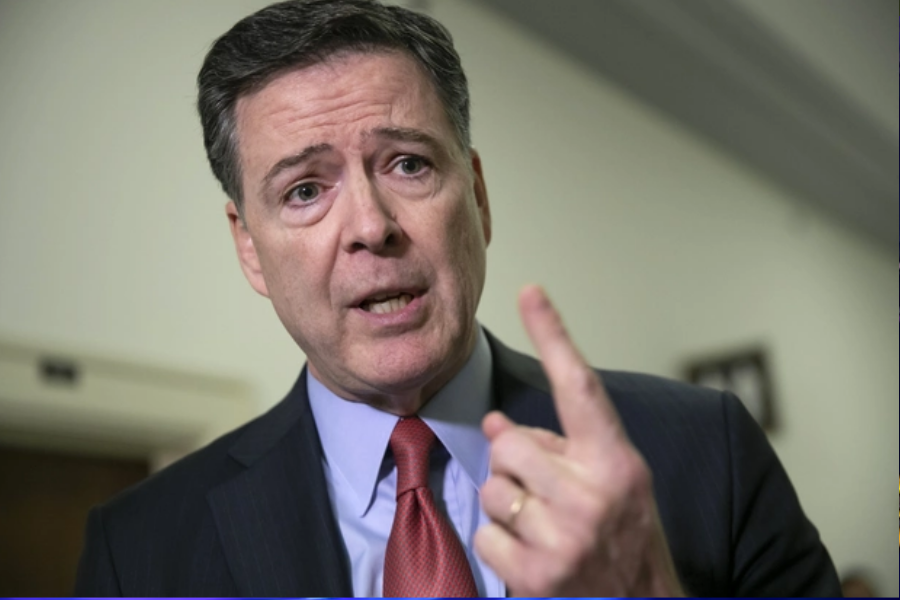
The ongoing controversy surrounding the U.S. Department of Justice has intensified as reports claim that the Trump push to prosecute Comey has led to DOJ staff being sidelined or demoted: report discussions across political and legal circles. DOJ Fallout James Comey Prosecution, The issue has sparked debate over whether political pressure is reshaping the internal culture of federal law enforcement agencies and influencing prosecutorial decisions at the highest levels.
At the center of the discussion is former FBI Director James Comey, whose complicated history with former President Donald Trump has remained politically explosive since the 2016 election and subsequent investigations into Russian election interference. Recent reports alleging that Justice Department officials faced demotions, reassignments, or marginalization for resisting efforts tied to prosecuting Comey have raised concerns about institutional independence, legal ethics, and the future of the DOJ.
This article explores the allegations, the broader political and legal context, reactions from experts and lawmakers, and what the controversy could mean for the Justice Department moving forward. It also examines how internal DOJ dynamics may influence public trust in federal investigations and prosecutorial integrity.
The Background Behind the James Comey Controversy
The conflict between Donald Trump and James Comey dates back years, beginning during Comey’s tenure as FBI director. Comey became a major political figure after overseeing investigations connected to the 2016 presidential election, including the FBI’s inquiry into Hillary Clinton’s email practices and later investigations involving Russian election interference.
Trump dismissed Comey in 2017, a decision that immediately triggered national controversy and eventually contributed to the appointment of Special Counsel Robert Mueller. Since then, tensions between Trump allies and former federal investigators have remained deeply entrenched.
Why Some Trump Allies Wanted Comey Prosecuted
Supporters of prosecuting Comey have argued that the former FBI director mishandled classified information, abused investigative authority, or acted improperly during politically sensitive investigations. Critics of Comey often point to:
- His handling of FBI memos
- Public comments during election periods
- Decisions surrounding investigative disclosures
- Alleged procedural misconduct
However, legal experts have repeatedly noted that multiple reviews and investigations failed to produce criminal charges against Comey.
The DOJ’s Delicate Position
The Department of Justice traditionally operates with a degree of independence from political influence. Career prosecutors and senior DOJ officials are generally expected to follow evidence and legal standards rather than political priorities.
That is why reports suggesting that internal staff members were sidelined or demoted during efforts tied to a possible prosecution have generated significant concern among former prosecutors and constitutional scholars.
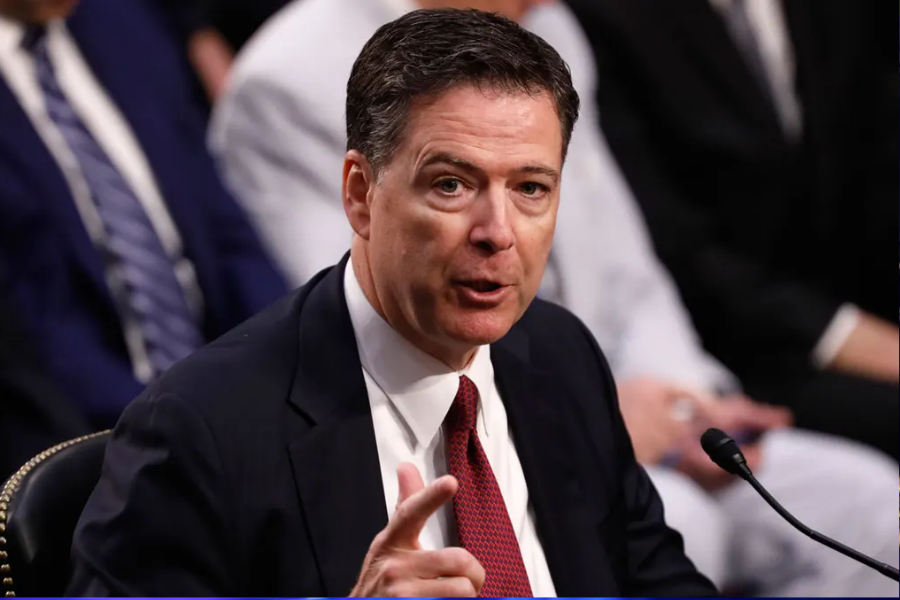
Reports of DOJ Staff Being Sidelined or Demoted
The core allegation gaining attention is that officials within the Department of Justice who resisted or questioned attempts to pursue legal action against Comey faced professional consequences.
According to multiple reports and insider accounts discussed in political media coverage, certain DOJ employees allegedly experienced:
- Reassignments to less influential roles
- Removal from sensitive investigations
- Reduced decision-making authority
- Delayed promotions
- Internal isolation from leadership discussions
While the exact scope of these personnel actions remains debated, the allegations have fueled broader concerns about political loyalty tests within federal institutions.
Why These Allegations Matter
The Justice Department depends heavily on credibility and institutional trust. If career attorneys or investigators believe political considerations outweigh legal evidence, it could impact morale and decision-making across the agency.
Concerns include:
- Reduced independence among prosecutors
- Fear of retaliation for dissenting legal opinions
- Politicization of criminal investigations
- Erosion of public confidence in federal law enforcement
Former DOJ officials from both Republican and Democratic administrations have warned that perceived political interference can damage the department for years.
How the DOJ Normally Handles Sensitive Investigations
Understanding why these reports are controversial requires looking at how high-profile federal investigations typically operate.
Role of Career Prosecutors
Career DOJ attorneys are not political appointees. Many serve across multiple administrations and are expected to make decisions based on:
- Evidence
- Federal law
- DOJ policy
- Ethical standards
In politically sensitive cases, prosecutors often conduct extensive internal reviews before approving charges.
Checks Inside the Justice Department
The DOJ includes several internal safeguards designed to prevent politically motivated prosecutions. These include:
- Ethics review procedures
- Supervisory approval systems
- Independent inspectors general
- Internal documentation requirements
- Judicial oversight
Critics argue that attempts to pressure prosecutors undermine these safeguards and create dangerous precedents.
The Political Fallout Surrounding the Comey Prosecution Debate
The allegations have fueled intense partisan reactions in Washington.
Republican Perspectives
Some Republicans argue that scrutiny of Comey is justified because of concerns about FBI conduct during and after the 2016 election cycle. They believe federal investigators should not be immune from accountability simply because they held senior positions.
Supporters of renewed investigations into Comey often frame the issue as part of broader concerns regarding alleged government overreach and intelligence agency transparency.
Democratic Perspectives
Democrats and many former DOJ officials argue the controversy reflects a dangerous attempt to weaponize the Justice Department against political adversaries. They warn that pressuring prosecutors to pursue weak or unsupported cases could damage constitutional norms.
Many critics say the situation resembles broader fears about political retaliation inside federal agencies.
Independent Legal Analysts Weigh In
Legal scholars and former federal prosecutors have offered more nuanced views. Some acknowledge that investigating former officials is not inherently improper, but they stress that prosecutions must be grounded in evidence rather than political objectives.
Several analysts have emphasized that the appearance of political pressure can be almost as damaging as actual interference.
James Comey’s Continued Role in American Politics
Although no longer leading the FBI, James Comey remains a polarizing public figure.
Why Comey Still Draws Attention
Comey occupies a unique place in modern American political history because both major political parties have criticized him at different times.
Some Democrats blamed him for influencing the 2016 election through public statements regarding Hillary Clinton’s emails, while many Republicans later accused him of participating in politically motivated investigations targeting Trump.
This unusual dynamic has kept Comey central to debates about federal law enforcement and political accountability.
Public Statements and Media Appearances
Since leaving government service, Comey has remained active through:
- Interviews
- Books
- Public speaking engagements
- Commentary on democracy and law enforcement
These appearances have continued to draw strong reactions from both supporters and critics.
Concerns About Politicization of Federal Agencies
The controversy surrounding the DOJ fallout and James Comey prosecution discussions reflects broader anxieties about political influence within federal institutions.
Historical Concerns Over Political Pressure
The United States has experienced previous controversies involving allegations of political interference in law enforcement. Across multiple administrations, critics have occasionally accused leaders of attempting to influence investigations involving allies or opponents.
The Justice Department’s credibility depends largely on the perception that it applies laws consistently and fairly.
Impact on Career Employees
When reports emerge suggesting retaliation against career officials, it can affect recruitment and morale within federal agencies.
Potential consequences include:
- Increased employee resignations
- Reduced willingness to challenge leadership decisions
- Institutional distrust
- Difficulty retaining experienced prosecutors
Legal experts note that strong internal dissent is often essential in preventing flawed prosecutorial decisions.
Could These Allegations Lead to Congressional Investigations?
Lawmakers may seek additional oversight depending on how the controversy develops.
Possible Areas of Inquiry
Congressional committees could examine:
- Personnel decisions within the DOJ
- Internal communications regarding Comey-related investigations
- Whether political officials pressured prosecutors
- Compliance with DOJ ethics procedures
Such investigations could become highly contentious, particularly during election cycles.
Challenges in Proving Political Retaliation
Demonstrating political retaliation inside government agencies can be difficult because personnel decisions often involve multiple factors.
Investigators would likely need:
- Internal emails or memos
- Witness testimony
- Documentation of directives
- Evidence linking personnel changes to prosecutorial disagreements
Without direct evidence, many allegations may remain politically disputed rather than legally proven.
Public Trust and the Future of the Justice Department
One of the biggest long-term issues arising from this controversy is public confidence in federal law enforcement institutions.
Why Public Trust Matters
The DOJ and FBI rely heavily on institutional legitimacy. Public cooperation with investigations and respect for legal outcomes often depend on confidence that agencies operate impartially.
If Americans increasingly believe investigations are politically driven, it may weaken trust in the broader justice system.
Calls for Reform
Some experts believe the controversy could renew discussions about DOJ reforms, including:
- Stronger protections for career prosecutors
- Clearer rules separating politics from investigations
- Expanded whistleblower protections
- Increased congressional oversight
Others argue existing safeguards are already sufficient and that political criticism of the DOJ is inevitable in high-profile cases.
Media Coverage and Public Perception
The media has played a major role in shaping public understanding of the DOJ fallout linked to the Comey prosecution discussions.
Competing Narratives
Coverage has generally split into two competing narratives:
- Concerns about political weaponization of the DOJ
- Claims that federal investigators themselves require stronger accountability
This divide reflects broader political polarization in the United States.
Social Media Amplification
Online discussions have intensified public reactions, with clips, commentary, and selective reporting often spreading rapidly across platforms. As a result, many Americans encounter fragmented interpretations of the controversy rather than complete legal context.
What Happens Next?
The future of the DOJ fallout controversy may depend on several factors:
- Whether additional whistleblowers come forward
- Potential congressional inquiries
- Release of internal DOJ records
- Political developments during upcoming election cycles
- Future statements from former officials
At present, many details remain disputed, and no definitive legal conclusions have emerged regarding the allegations.
Still, the broader debate over prosecutorial independence, political pressure, and institutional accountability is unlikely to disappear anytime soon.
FAQ
Why is James Comey still a controversial figure?
James Comey remains controversial because of his involvement in several politically sensitive investigations, including the 2016 election and Russia-related inquiries. Both Democrats and Republicans have criticized different aspects of his decisions over the years. His role in modern political history continues to spark debate about FBI leadership and government transparency.
Did DOJ officials actually get demoted over the Comey prosecution issue?
Reports claim some DOJ staff members were sidelined or reassigned after resisting efforts tied to prosecuting Comey. However, the full details and motivations behind personnel decisions have not been publicly verified in every case. Investigations or congressional oversight could reveal more information later.
Why are allegations of political pressure inside the DOJ serious?
The Department of Justice is expected to operate independently from political influence. If prosecutors believe decisions are based on politics rather than evidence, it could damage morale, public trust, and confidence in the fairness of the legal system.
Could Congress investigate the DOJ fallout allegations?
Yes, congressional committees have the authority to review DOJ personnel actions and internal communications. Lawmakers could seek testimony, documents, and oversight hearings if they believe political interference occurred within federal investigations.
Conclusion
The debate surrounding DOJ fallout connected to efforts targeting James Comey highlights deeper tensions inside American politics and federal law enforcement. Allegations that career DOJ staff faced consequences for resisting prosecutorial pressure have reignited concerns about institutional independence, political retaliation, and public accountability.
While many facts remain disputed, the controversy reflects a broader national conversation about how justice agencies should function during periods of intense political polarization. Questions about prosecutorial ethics, executive influence, and federal oversight are likely to remain central issues in future political and legal debates.
As new reports and investigations emerge, public attention will continue focusing on whether the Justice Department can maintain credibility while navigating some of the most politically sensitive cases in modern American history.

