

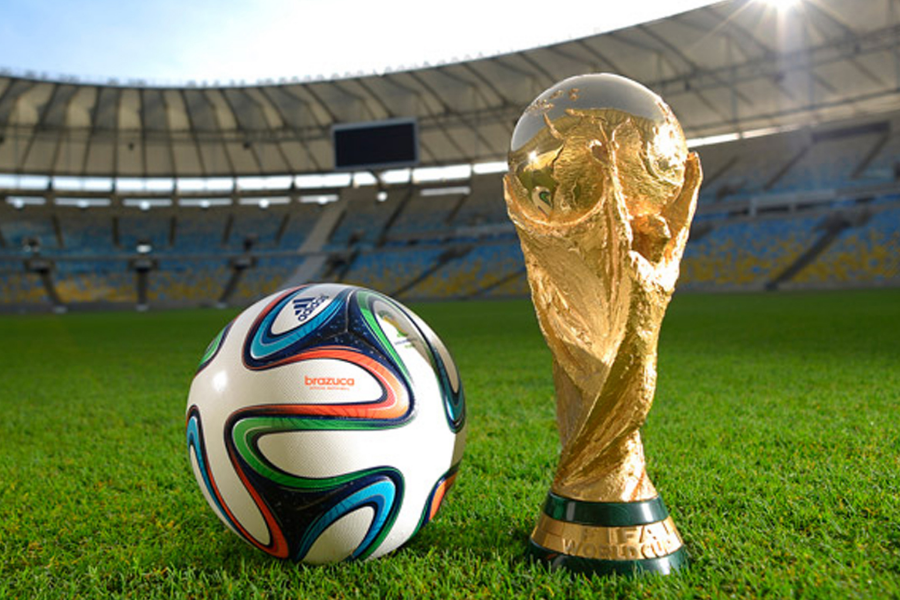
The FIFA World Cup 2026 will be one of the biggest sporting events ever staged, bringing together more teams, more matches, and three host nations for the first time in tournament history. Fans around the world are already searching for the world cup schedule, match dates, host cities, and details about where to watch every game.
With the tournament expanding from 32 to 48 teams, the competition promises a packed calendar filled with exciting group-stage clashes and knockout-round drama. Whether you’re looking for the latest world cup fixtures, wondering where can I watch the World Cup 2026, or trying to find out what time does the World Cup start, this guide covers everything you need to know.
In this article, you’ll learn about the tournament format, key dates, host venues across the United States, Canada, and Mexico, broadcasting information, kickoff expectations, and answers to the most common questions fans are asking ahead of the competition.
Overview of the FIFA World Cup 2026
The FIFA World Cup 2026 marks a historic milestone for international football. For the first time, the tournament will be jointly hosted by three countries:
- United States
- Canada
- Mexico
It is also the first World Cup to feature 48 national teams instead of 32, increasing the number of matches and creating more opportunities for nations to compete on football’s biggest stage.
Key Tournament Facts
| Detail | Information |
|---|---|
| Hosts | United States, Canada, Mexico |
| Teams | 48 |
| Opening Match | June 11, 2026 |
| Final | July 19, 2026 |
| Total Matches | 104 |
| Host Cities | 16 |
| Tournament Format | Expanded group stage and knockout rounds |
Mexico will become the first nation to host World Cup matches in three different editions, having previously hosted tournaments in 1970 and 1986.
World Cup Schedule 2026: Important Dates
Many fans searching for the world cup schedule 2026 want to know the overall timeline before the final match calendar is confirmed.
The tournament is scheduled to run from June 11, 2026, through July 19, 2026.
Tournament Timeline
Group Stage
- Begins: June 11, 2026
- Features 48 teams
- Matches played across all host countries
Round of 32
- First knockout stage in the expanded format
- Introduced because of the increase to 48 teams
Round of 16
- Top teams continue their pursuit of the championship
Quarterfinals
- Eight remaining nations compete for semifinal places
Semifinals
- Four teams remain in contention
Third-Place Match
- Determines the bronze medal winner
Final
- July 19, 2026
- Hosted in the United States
As FIFA finalizes participating teams and qualification results, a detailed match-by-match schedule will be released.
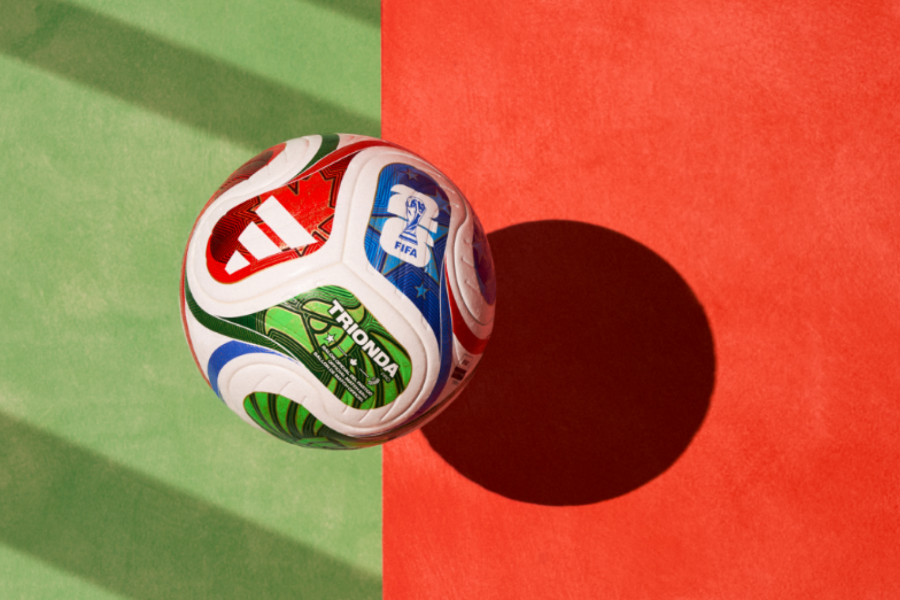
World Cup Fixtures: How the Match Calendar Works
The world cup fixtures will look different from previous tournaments due to the expanded format.
New Group Stage Structure
The 48 participating teams will be divided into 12 groups of four teams.
Each team will play:
- Three group-stage matches
- One match against each group opponent
Knockout Qualification
Advancing teams include:
- The top two teams from each group
- The eight best third-place teams
This creates a Round of 32, adding an extra knockout stage compared with previous editions.
Why More Fixtures Matter
The expanded competition means:
- More matches for fans to enjoy
- Greater representation from different continents
- More opportunities for emerging football nations
- Increased excitement throughout the tournament
Once the final draw is completed, FIFA will publish the official fixture list showing exact dates, kickoff times, and venues.
Mexico World Cup Schedule and Host Cities
Interest in the Mexico World Cup schedule is especially high because Mexico will play a major role in hosting the tournament.
Mexican Host Cities
The confirmed Mexican venues include:
Mexico City
- Estadio Azteca
- Historic World Cup venue
- Expected host of the opening match
Guadalajara
- One of Mexico’s football capitals
- Modern stadium facilities
Monterrey
- Home to one of the country’s most impressive football venues
- Expected to host multiple group-stage games
What Fans Can Expect
Mexico’s portion of the schedule is expected to feature:
- Opening tournament matches
- Group-stage fixtures
- High-profile international contests
Detailed city-by-city match assignments will become clearer once FIFA releases the finalized tournament calendar.
FIFA Schedule: Tournament Format Explained
Understanding the overall FIFA schedule helps fans plan ahead.
The expanded format creates a more balanced competition while maintaining the excitement of knockout football.
Stage 1: Group Matches
Each team plays three games.
Points system:
- Win: 3 points
- Draw: 1 point
- Loss: 0 points
Stage 2: Round of 32
A new addition for 2026.
This round increases the number of elimination matches and creates additional opportunities for dramatic upsets.
Stage 3: Round of 16
The remaining teams battle for quarterfinal spots.
Stage 4: Quarterfinals
The tournament narrows to eight contenders.
Stage 5: Semifinals
Four teams compete for places in the final.
Stage 6: Final
The two best teams meet to determine the world champion.
What Time Does the World Cup Start?
One of the most common questions is: what time does the World Cup start?
The exact kickoff times for individual matches have not been fully announced. However, several factors influence scheduling.
Factors Affecting Kickoff Times
- Host city location
- Television broadcasting requirements
- Time zones across North America
- Weather considerations
- Global viewing audiences
North American Time Zones
Matches will likely be scheduled across:
- Eastern Time (ET)
- Central Time (CT)
- Mountain Time (MT)
- Pacific Time (PT)
Because the tournament spans three countries and multiple time zones, kickoff times will vary significantly.
International Viewing Considerations
FIFA typically schedules major matches to maximize worldwide audiences. This helps viewers in Europe, Asia, Africa, and South America watch important fixtures at reasonable local times.
Fans should expect official kickoff times to be confirmed closer to the tournament.
Where Can I Watch the World Cup 2026?
A major question among supporters is: where can I watch the World Cup 2026?
Broadcast rights differ by country, but FIFA World Cup matches are traditionally available through major television networks and authorized streaming platforms.
Common Viewing Options
Depending on your region, coverage may include:
- National sports broadcasters
- Free-to-air television channels
- Subscription sports networks
- Official streaming services
- Mobile viewing apps
Watching From Home
Many broadcasters offer:
- Live matches
- Pre-game analysis
- Post-match coverage
- Highlight packages
- Multi-language commentary
International Availability
Most countries secure broadcast agreements well before the tournament begins. Fans should monitor local announcements as the event approaches.
How to Watch World Cup 2026 From Different Devices
Many viewers now prefer streaming and mobile access.
If you’re searching for how to watch World Cup 2026, there are several options likely to be available.
Smart TVs
Most broadcasters provide dedicated apps for:
- Smart TVs
- Streaming devices
- Connected entertainment systems
Mobile Phones and Tablets
Official broadcasters often offer:
- Live streaming
- Match alerts
- Real-time statistics
- Replay access
Laptops and Desktop Computers
Web-based streaming platforms typically allow fans to watch matches from anywhere with a stable internet connection.
Sports Bars and Public Viewing Areas
During previous World Cups, many cities organized:
- Public screenings
- Fan festivals
- Community viewing events
Similar experiences are expected during the 2026 tournament.
Host Cities Across North America
The 2026 World Cup will be spread across 16 host cities.
United States Host Cities
- Atlanta
- Boston
- Dallas
- Houston
- Kansas City
- Los Angeles
- Miami
- New York/New Jersey
- Philadelphia
- San Francisco Bay Area
- Seattle
Canada Host Cities
- Toronto
- Vancouver
Mexico Host Cities
- Mexico City
- Guadalajara
- Monterrey
This broad geographic footprint makes the tournament one of the most accessible and diverse World Cups ever organized.
What Makes the 2026 Tournament Unique?
Several historic changes make this edition stand out.
Largest World Cup Ever
The increase to 48 teams creates:
- More nations represented
- More matches
- Greater global participation
Three Host Nations
Never before has the World Cup been jointly hosted by three countries.
More Opportunities for Emerging Teams
Additional qualification places mean more nations can reach the final tournament.
Expanded Knockout Rounds
The new Round of 32 introduces extra elimination matches and additional drama.
Teams Expected to Compete
Qualification tournaments around the world determine which nations will earn places at the World Cup.
Traditional football powers are expected to contend for the trophy, including:
- Argentina
- France
- Brazil
- England
- Spain
- Germany
- Portugal
However, the expanded field increases opportunities for surprise qualifiers and breakthrough performances.
Tips for Following the Tournament
As the competition approaches, fans can stay informed by:
- Monitoring official fixture announcements.
- Checking broadcaster schedules.
- Following qualification results.
- Tracking team news and squad announcements.
- Watching for venue and ticket updates.
Keeping an eye on the official match calendar will help ensure you never miss a key game.
FAQ
When will the official World Cup fixtures be released?
The complete match schedule is typically finalized after qualification and the tournament draw are completed. FIFA will publish exact dates, venues, and kickoff times once all participating teams are confirmed.
Which country hosts the opening match of the 2026 tournament?
Mexico is expected to host the opening match, with Mexico City playing a central role in the tournament’s early stages. Final details are confirmed by FIFA closer to the event.
How many matches will be played in the 2026 competition?
The expanded format increases the total number of matches to 104. This is significantly more than previous editions and provides fans with a longer tournament experience.
Will streaming services show every match?
In many countries, authorized streaming platforms are expected to offer comprehensive coverage. Availability depends on local broadcasting agreements and regional rights holders.
Conclusion
The FIFA World Cup 2026 promises to be the largest and most ambitious tournament in football history. With 48 teams, 104 matches, and host cities spread across the United States, Canada, and Mexico, fans can expect a month of unforgettable moments and intense competition.
Whether you’re tracking the latest fixture announcements, planning around kickoff times, or preparing to watch from home, staying updated on tournament developments will help you make the most of the experience. As qualification campaigns conclude and official schedules are finalized, excitement will only continue to build toward one of the most anticipated sporting events ever staged.

