


Georgia election results continue to draw national attention as the state remains one of the most competitive political battlegrounds in the country. From statewide offices to local contests, voters across Georgia are closely watching the latest election results today to see how major races unfold. The 2026 cycle is especially important because it includes high-profile contests that could shape policy, voter turnout trends, and the balance of political power for years ahead.
This guide breaks down everything readers need to know about the latest ga election results, including the Georgia governor race, primary contests, voting patterns, and what makes Georgia elections 2026 so significant. Whether you are tracking county-by-county updates, following the georgia primary election process, or looking for insight into how results are reported, this article provides a clear and detailed overview. It also explains how election reporting works, what influences voter behavior across the state, and which races are expected to have the biggest impact on Georgia politics.
Why Georgia Election Results Matter Nationally
Georgia has evolved into one of the most closely watched swing states in American politics. Once considered reliably Republican in statewide elections, the state has become increasingly competitive over the last decade.
Several factors explain why Georgia attracts national attention during every election cycle:
- Rapid population growth in metro Atlanta
- Expanding suburban voter participation
- Increased turnout among younger voters
- Competitive statewide races
- Demographic changes across urban and rural counties
Because of these trends, both major political parties heavily invest in Georgia campaigns, advertising, and voter outreach efforts. As a result, georgia election results often become a major national story on election night.
Understanding the Georgia Primary Election Process
The georgia primary election is the first major step in selecting candidates for the general election. Primary races determine which candidates represent their political party in November contests.
Open Primary System in Georgia
Georgia uses an open primary system. This means:
- Voters do not register by party
- Any registered voter can choose either party’s ballot
- Voters may only select one party ballot per election
This system often creates unpredictable outcomes because independent voters can influence competitive primaries.
Key Dates in Georgia Elections 2026
The 2026 election cycle includes several important milestones:
- Candidate qualifying period
- Early voting
- Primary election day
- Runoff elections if needed
- General election
Georgia requires a candidate to receive more than 50% of the vote to avoid a runoff in many races. Runoffs can significantly reshape momentum and turnout.
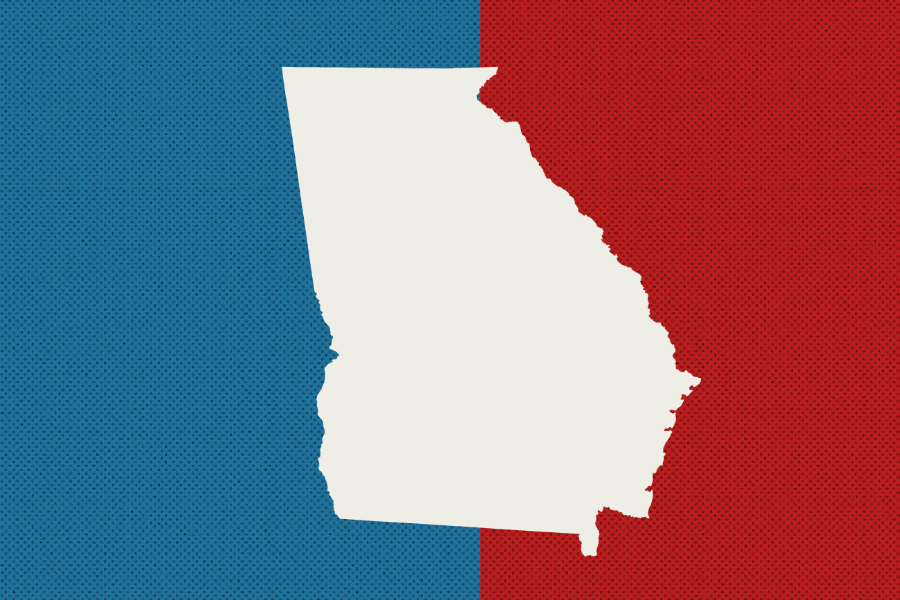
Georgia Governor Race: What Voters Are Watching
The georgia governor race is expected to be one of the most competitive contests in the state. Governor races in Georgia typically receive intense media coverage because the office holds substantial influence over state policy, education, healthcare, transportation, and economic development.
Major Issues Driving the Governor Race Georgia Voters Care About
Several issues are shaping voter decisions in the governor race Georgia campaigns are focusing on:
Economic Growth
Candidates are emphasizing:
- Job creation
- Small business development
- Inflation concerns
- Tax policy
Economic messaging remains one of the strongest influences on suburban and independent voters.
Election Laws and Voting Access
Georgia’s election policies continue to generate debate nationwide. Candidates often discuss:
- Mail voting rules
- Early voting access
- Voter identification laws
- Election security measures
Education Funding
School funding and curriculum policies are major topics in statewide debates. Parents and educators remain highly engaged on these issues.
Public Safety
Crime rates and law enforcement funding are frequently highlighted during statewide campaigns, especially in metro areas.
How Georgia Election Results Are Reported
Many voters checking election results today wonder why some counties report quickly while others take longer. Understanding the process helps explain delays and shifting vote totals throughout the night.
Step 1: Poll Closing Times
Most Georgia polling locations close at 7 p.m. local time. However, voters already in line at closing time are still allowed to vote.
Step 2: Early Vote Reporting
Georgia often reports early voting totals first because many ballots are processed before Election Day.
Step 3: Election Day Ballots
In-person votes cast on Election Day are counted after polls close.
Step 4: Absentee and Provisional Ballots
Some ballots require additional verification before counting. These include:
- Military ballots
- Overseas ballots
- Provisional votes
- Certain absentee ballots
Because of this process, close races may remain undecided for several days.
Counties That Often Decide Georgia Elections
Certain counties consistently play a major role in statewide outcomes.
Fulton County
As Georgia’s most populous county, Fulton often delivers large vote totals and can significantly influence statewide margins.
Cobb County
Cobb has become increasingly competitive in recent election cycles and is closely watched during every major race.
Gwinnett County
Rapid demographic changes have transformed Gwinnett into a key battleground county.
DeKalb County
DeKalb traditionally produces strong turnout in Democratic races and is essential in statewide contests.
Rural Counties
Republican candidates typically perform strongly across many rural parts of Georgia, balancing urban and suburban vote totals.
What Influences Georgia Primary Results
Several factors shape georgia primary results beyond party affiliation.
Early Voting Participation
Georgia has seen strong early voting participation in recent elections. High early turnout often signals increased voter engagement overall.
Candidate Fundraising
Campaign fundraising can affect:
- Advertising reach
- Ground operations
- Voter outreach
- Media visibility
Candidates with stronger fundraising operations often gain momentum before primary day.
Debate Performance
Televised debates frequently influence undecided voters, especially in crowded primary contests.
Endorsements
Support from major political figures, local officials, or advocacy groups can help candidates gain credibility with voters.
Election Results Today: Why Numbers Change Throughout the Night
One of the biggest misunderstandings during election coverage involves changing vote totals.
Early Leads May Not Hold
Urban counties sometimes report later than rural areas. This means early leads can shift dramatically as additional votes are counted.
Mail Ballots Can Affect Margins
Absentee and mail-in ballots may lean differently depending on the election cycle and voter demographics.
Runoff Possibilities
Georgia’s majority-vote requirement means some races extend into runoff elections, delaying final outcomes.
For this reason, experienced election analysts focus on turnout patterns and outstanding ballots instead of relying solely on early returns.
The Role of Turnout in Georgia Elections 2026
Turnout remains one of the most important factors in georgia elections 2026.
Young Voters
Voters under 30 have become increasingly active in Georgia politics. Campaigns aggressively target younger demographics through digital outreach and campus organizing.
Suburban Growth
Suburban communities around Atlanta continue to influence statewide outcomes due to rapid population increases.
Rural Participation
Rural turnout remains critical, particularly in Republican primaries and statewide general elections.
Independent Voters
Independent and moderate voters often determine close races in Georgia because statewide margins are frequently narrow.
Key Differences Between Primary and General Election Results
Primary elections and general elections often produce very different outcomes.
| Primary Elections | General Elections |
|---|---|
| Party-focused voters | Broader electorate |
| Lower turnout | Higher turnout |
| More ideological campaigns | More moderate messaging |
| Intra-party competition | Party vs. party competition |
Candidates who succeed in primaries sometimes adjust their messaging significantly before the general election.
How Media Outlets Project Winners
Many viewers tracking ga election results see races “called” before all ballots are counted.
Why Projections Happen
Election analysts use:
- Historical voting data
- County reporting trends
- Exit polls
- Remaining vote estimates
A race may be projected when analysts determine remaining ballots are unlikely to change the outcome.
Why Some Races Stay Uncalled
Close margins, recount possibilities, or delayed ballot processing can prevent projections for hours or even days.
Potential Issues That Can Delay Election Results
Several factors may slow the reporting process.
High Turnout
Heavy turnout can create longer ballot processing times in large counties.
Recounts
Georgia law allows recounts in very close races under specific conditions.
Legal Challenges
Campaigns occasionally challenge ballot procedures or counting methods in court.
Technical Problems
Equipment issues or reporting delays can temporarily interrupt vote updates.
While delays can frustrate voters, election officials emphasize accuracy over speed.
Trends Shaping the Future of Georgia Politics
Georgia’s political landscape continues to evolve rapidly.
Population Growth
New residents moving into metro regions are changing voting patterns across the state.
Increased Political Engagement
Georgia voters have become highly engaged in both presidential and statewide races.
Competitive Campaign Spending
National parties continue investing heavily in Georgia due to its strategic importance.
Expanding Early Voting
Early voting participation has steadily increased, reshaping campaign strategies and turnout operations.
These developments ensure Georgia will remain central to future national elections
What Voters Should Watch on Election Night
For anyone following election results today, several indicators can provide insight into statewide outcomes.
Suburban County Margins
Watch whether candidates outperform expectations in suburban counties like Cobb and Gwinnett.
Rural Turnout Levels
Strong rural participation can significantly influence statewide Republican performance.
Metro Atlanta Vote Totals
Large urban turnout often shapes Democratic statewide margins.
Runoff Thresholds
Pay attention to whether candidates surpass the 50% mark required to avoid runoff elections.
FAQs
When are Georgia election results usually finalized?
Most unofficial results are available on election night, but final certified totals can take several days. Close races, provisional ballots, and recounts may extend the process further. Counties must verify and certify their vote totals before results become official.
Why do Georgia primary results sometimes lead to runoffs?
Georgia requires candidates to receive more than 50% of the vote in many primary races. If no candidate reaches that threshold, the top two candidates advance to a runoff election. This system often creates additional campaigning and voter turnout efforts.
How accurate are election night projections in Georgia?
Election projections are generally reliable because analysts use extensive historical and statistical data. However, projections are not official results. Tight races can still shift if outstanding ballots significantly affect the margin.
What counties are most important in the Georgia governor race?
Fulton, Cobb, Gwinnett, and DeKalb counties frequently play major roles in statewide elections. Rural counties are also critical because they can offset urban vote totals. Turnout in these areas often determines the final margin.
Conclusion
Georgia remains one of the most influential states in modern American politics, and every election cycle brings intense attention to statewide contests and local voting trends. From the georgia governor race to closely watched primary battles, voters across the state continue to shape the political direction of Georgia and the nation.
Understanding how election reporting works, why turnout matters, and which counties drive statewide outcomes helps readers make sense of fast-changing results on election night. As Georgia elections 2026 continue unfolding, political analysts, campaigns, and voters alike will closely monitor every update, margin shift, and runoff possibility.
For anyone following future races, staying informed about voting procedures, turnout trends, and candidate platforms will remain essential as Georgia’s political landscape continues to evolve.

