


The 2026 Georgia governor race has become one of the most closely watched political contests in the United States. At the center of the Republican primary battle was Rick Jackson Georgia voters have come to know as a successful healthcare executive and political outsider. His campaign gained national attention after his surprising victory over Burt Jones, Georgia’s lieutenant governor and a candidate who entered the race with significant political support.
For many political observers, the contest between Rick Jackson vs Burt Jones represented more than a typical state election. It became a test of outsider leadership, campaign strategy, voter sentiment, and the influence of endorsements in modern politics. The race also attracted widespread interest among people following trump news, as former President Donald Trump publicly backed Jones during the campaign.
As Georgia prepares for a new governor following the end of Brian Kemp’s tenure, voters and analysts are examining what Jackson’s rise means for the future of the state. This article explores Rick Jackson’s background, his campaign, the key issues that shaped the election, and why the outcome has drawn national attention.
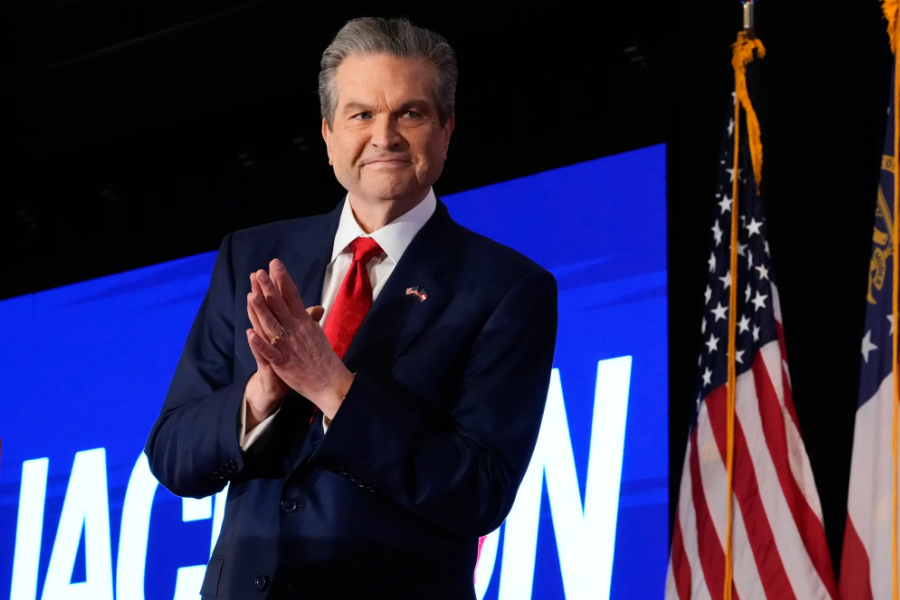
Who Is Rick Jackson?
Rick Jackson is a healthcare entrepreneur and business executive who entered the Georgia governor’s race as a political newcomer. Unlike many candidates seeking statewide office, Jackson built his reputation in the private sector rather than through years of elected service.
Throughout his campaign, Jackson emphasized:
- Business leadership experience
- Economic growth and job creation
- Government efficiency
- Lower taxes
- Conservative values
His message centered on the idea that Georgia would benefit from leadership rooted in business management rather than traditional politics.
Many supporters viewed him as a fresh alternative to career politicians, while critics questioned whether his lack of government experience could become a challenge if elected.
Understanding the Georgia Governor Race
The 2026 election is especially significant because Governor Brian Kemp is term-limited and unable to seek another term. An open governor’s seat often creates a highly competitive environment, and this race proved no exception.
Several prominent Republicans entered the primary, including:
- Rick Jackson
- Burt Jones
- Brad Raffensperger
- Chris Carr
- Other Republican candidates
When no candidate secured a majority of votes in the primary, the election moved to a runoff between the top two finishers: Rick Jackson and Burt Jones.
The runoff quickly became one of the most expensive and heavily discussed political battles in Georgia history.
Rick Jackson vs Burt Jones: A Battle of Two Approaches
The matchup between Rick Jackson vs Burt Jones highlighted two very different paths to leadership.
Rick Jackson: The Political Outsider
Jackson built his campaign around the idea that government should operate more like a successful business.
His campaign emphasized:
- Private-sector experience
- Financial independence
- Innovation in government
- Economic development
- Reform-minded leadership
Jackson frequently argued that his experience solving business challenges prepared him to tackle state government issues.
Burt Jones: The Experienced Insider
Burt Jones entered the race with extensive political experience.
As Georgia’s lieutenant governor, he possessed:
- Established statewide recognition
- Legislative experience
- Strong relationships within government
- Support from influential Republicans
Jones argued that experience in public office was essential for managing the complexities of state government.
The Role of Trump News in the Campaign
One reason the race attracted national attention was its connection to ongoing trump news coverage.
Donald Trump endorsed Burt Jones during the Republican primary, giving Jones one of the most significant endorsements available within the party.
Political observers viewed the endorsement as important because:
- Georgia remains a key battleground state.
- Trump continues to influence Republican politics.
- The race offered insight into voter behavior within the GOP.
Many analysts expected Trump’s backing to help Jones secure victory. However, Jackson’s success demonstrated that endorsements, while influential, do not guarantee election wins.
How Rick Jackson Won the Republican Runoff
Several factors contributed to Jackson’s victory.
Significant Campaign Resources
Jackson invested substantial resources into his campaign, allowing him to reach voters across Georgia through advertising, events, and outreach efforts.
His campaign maintained a strong presence in multiple media markets and consistently communicated its message to voters.
Effective Outsider Message
One of Jackson’s strongest advantages was his outsider identity.
Many voters responded positively to themes such as:
- New leadership
- Fresh ideas
- Business expertise
- Independence from political establishments
This message helped him differentiate himself from opponents with long political careers.
Focus on Economic Issues
Economic concerns remained among the top priorities for Georgia voters.
Jackson focused heavily on:
- Inflation
- Cost-of-living challenges
- Job growth
- Business investment
- Tax policy
His campaign framed economic growth as the foundation for solving many of the state’s challenges.
Voter Desire for Change
Open-seat elections often create opportunities for candidates who promise change.
Jackson benefited from a political environment in which many voters expressed interest in leadership that differed from traditional political models.
Key Issues That Defined the Campaign
Several major topics shaped voter discussions throughout the race.
Economic Growth
Economic policy remained a central issue.
Candidates debated:
- Tax reductions
- Business regulations
- Workforce development
- Inflation concerns
- State spending priorities
Education
Education policy became another important topic.
Voters wanted answers regarding:
- School funding
- Academic performance
- Teacher retention
- Workforce preparation
Healthcare
Given Jackson’s healthcare background, healthcare policy received additional attention.
Discussions included:
- Access to medical services
- Rural healthcare challenges
- Healthcare costs
- Public health infrastructure
Public Safety
Crime and law enforcement remained key concerns for many Georgia residents.
Candidates proposed different approaches to:
- Community safety
- Law enforcement support
- Criminal justice policies
Why the Race Matters Beyond Georgia
The significance of the Georgia governor’s race extends beyond state borders.
Georgia’s National Importance
Georgia has become one of America’s most competitive political states.
Recent elections have demonstrated its importance in:
- Presidential elections
- Senate races
- National political strategy
As a result, statewide races often receive extensive national attention.
A Test of Republican Politics
The race offered insight into the evolving Republican Party.
Observers examined whether voters preferred:
- Traditional political experience
- Outsider business leadership
- Endorsement-driven campaigns
- Candidate-centered movements
Future Campaign Strategies
Political consultants and strategists across the country are studying the election for lessons about:
- Campaign spending
- Voter outreach
- Messaging effectiveness
- Runoff election dynamics
Challenges Facing Rick Jackson
Winning a primary runoff is only the beginning of the political journey.
Jackson faces several challenges moving forward.
Building a Broad Coalition
General elections require support beyond a candidate’s core base.
Jackson must appeal to:
- Conservative voters
- Independent voters
- Moderate Republicans
- Undecided voters
Transitioning From Outsider to Nominee
As a nominee, Jackson will face increased scrutiny regarding:
- Policy proposals
- Leadership plans
- Government experience
- Long-term vision for Georgia
Addressing Statewide Concerns
Voters expect detailed solutions to issues affecting their daily lives.
Key priorities include:
- Economic stability
- Education quality
- Infrastructure investment
- Healthcare access
- Public safety
Public Reaction to Jackson’s Victory
Reactions to Jackson’s win have been mixed.
Supporters praised:
- His business background
- Fresh perspective
- Independence from political insiders
- Economic focus
Critics questioned:
- His limited political experience
- Campaign spending levels
- Ability to navigate government systems
Regardless of perspective, most analysts agree that his victory was one of the most notable surprises of the election cycle.
What Comes Next?
Following his Republican nomination victory, Rick Jackson advances to the general election, where he will face Democratic opposition in a highly competitive contest.
The outcome will help determine:
- Georgia’s policy direction
- Economic priorities
- Education initiatives
- Healthcare reforms
- Political influence on the national stage
With Georgia continuing to play a crucial role in American politics, the election is expected to remain under intense public and media scrutiny.
Frequently Asked Questions
Who is Rick Jackson Georgia voters are talking about?
Rick Jackson is a healthcare executive and businessman who entered the Georgia governor race as a Republican outsider. His campaign focused on economic growth, government efficiency, and business-oriented leadership.
What happened in the Rick Jackson vs Burt Jones runoff?
The Republican primary advanced to a runoff after no candidate won a majority. Jackson ultimately defeated Burt Jones and secured the Republican nomination for governor.
Why was Burt Jones considered a strong candidate?
Jones served as Georgia’s lieutenant governor and brought significant political experience to the race. He also received support from influential Republican figures, making him one of the primary favorites.
How did Trump news affect the election?
Donald Trump’s endorsement of Burt Jones attracted national attention and became a major talking point throughout the campaign. The endorsement increased media coverage and heightened interest in the race.
Conclusion
Rick Jackson’s rise from healthcare executive to Republican gubernatorial nominee has reshaped the conversation surrounding Georgia politics. His victory over Burt Jones highlighted the appeal of outsider candidates, the importance of economic messaging, and the evolving dynamics within the Republican Party.
As the general election approaches, voters will continue evaluating competing visions for Georgia’s future. Whether viewed as a political disruptor or a business-minded reformer, Jackson has already established himself as a major figure in one of the nation’s most closely watched elections. The coming months will determine whether his momentum can carry him all the way to the governor’s office.

