

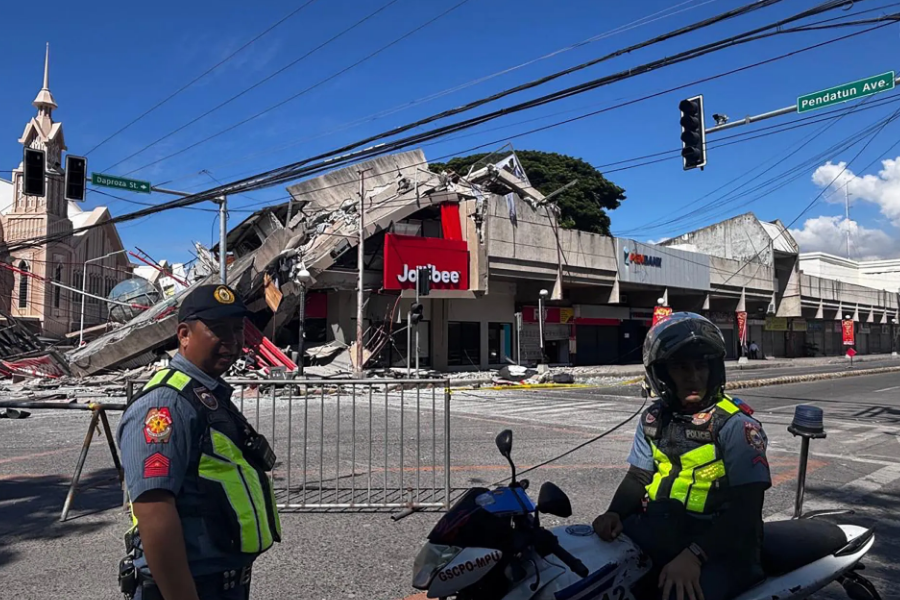
The Philippines earthquake situation remains a major concern for residents, travelers, and disaster-monitoring agencies due to the country’s location along the Pacific Ring of Fire. Frequent seismic activity makes earthquakes a regular occurrence across the archipelago, particularly in regions such as Mindanao, Luzon, and the Visayas. When people search for earthquake Philippines or earthquake Philippines today, they are often looking for the latest updates, potential damage reports, and whether a tsunami threat exists.
Earthquakes can range from minor tremors felt by local communities to powerful offshore events capable of triggering tsunami advisories across the Pacific Ocean. In some cases, concerns extend beyond the Philippines, leading to searches related to tsunami Philippines and even tsunami warning Hawaii due to the interconnected nature of Pacific seismic activity.
This article explains why earthquakes frequently occur in the Philippines, how tsunami warnings are issued, the significance of major seismic events in Mindanao, and what residents should do before, during, and after an earthquake. Understanding these risks is essential for staying informed and prepared in one of the world’s most seismically active regions.
Why Earthquakes Are Common in the Philippines
The Philippines sits in a geologically active zone where several tectonic plates interact. These include:
- The Philippine Sea Plate
- The Eurasian Plate
- Smaller regional fault systems
- Multiple subduction zones
As these plates move and collide, stress builds beneath the Earth’s surface. When that stress is suddenly released, an earthquake occurs.
Several active fault lines run across the country, including:
- The Philippine Fault System
- The West Valley Fault
- The Eastern Mindanao Fault
- Offshore trench systems
Because of this geological setting, thousands of earthquakes occur every year, although most are too small to be felt.
Understanding Earthquake Magnitude and Intensity
Many people confuse earthquake magnitude with intensity, but they measure different things.
Magnitude
Magnitude represents the total energy released during an earthquake. It is measured using seismic instruments and remains the same regardless of location.
General magnitude categories include:
| Magnitude | Description |
|---|---|
| Below 3.0 | Usually not felt |
| 3.0–4.9 | Minor |
| 5.0–5.9 | Moderate |
| 6.0–6.9 | Strong |
| 7.0–7.9 | Major |
| 8.0+ | Great earthquake |
Intensity
Intensity describes how strongly people feel shaking in a specific area. It can vary depending on:
- Distance from the epicenter
- Ground conditions
- Building construction
- Earthquake depth
A moderate earthquake may feel much stronger in one city than another.
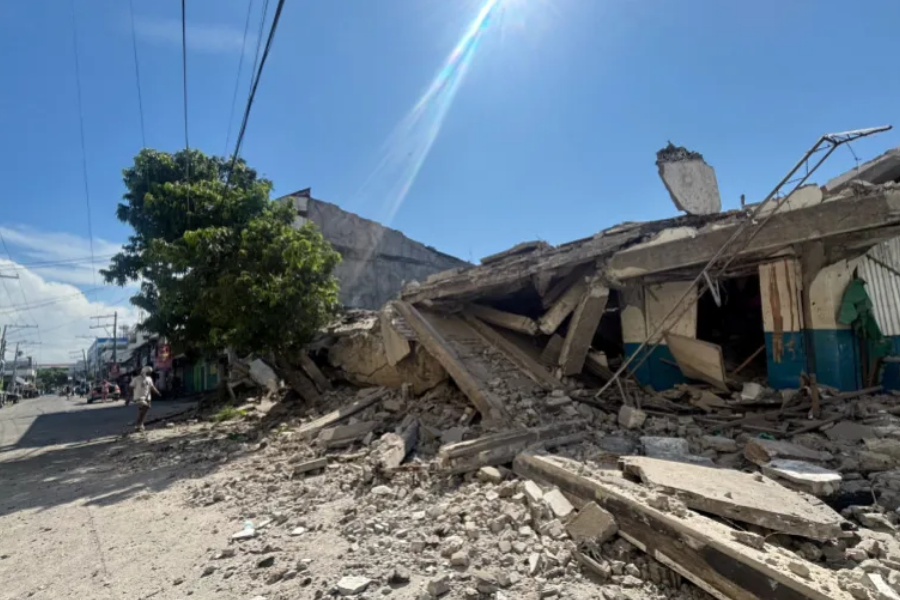
Mindanao Earthquake: Why the Region Experiences Frequent Seismic Activity
The Mindanao earthquake region frequently records strong seismic events due to its proximity to active tectonic boundaries and deep ocean trenches.
Key Factors Behind Mindanao’s Earthquakes
Active Fault Systems
Numerous faults cut across Mindanao, creating conditions for regular seismic activity.
Offshore Subduction Zones
Nearby trenches allow one tectonic plate to slide beneath another, generating powerful earthquakes.
Volcanic Activity
Mindanao’s geological environment includes volcanic systems linked to tectonic movements, further indicating the area’s dynamic nature.
Historical Impact
Several significant earthquakes in Mindanao have resulted in:
- Building damage
- Landslides
- Infrastructure disruption
- Temporary displacement of residents
These events highlight the importance of earthquake preparedness across southern Philippines.
Earthquake Philippines Today: How Monitoring Agencies Track Seismic Events
When people search for earthquake Philippines today, they are usually looking for real-time information regarding:
- Magnitude
- Epicenter location
- Earthquake depth
- Potential aftershocks
- Tsunami advisories
Modern earthquake monitoring relies on networks of seismographs positioned throughout the country.
What Monitoring Centers Analyze
After an earthquake occurs, experts quickly assess:
- The earthquake’s location
- Its depth underground
- Magnitude
- Potential damage
- Tsunami risk
- Likelihood of aftershocks
This information helps authorities determine whether emergency measures are necessary.
Tsunami Philippines: How Earthquakes Trigger Ocean Waves
A tsunami is a series of powerful ocean waves typically caused by sudden movement of the seafloor.
Not every earthquake generates a tsunami.
Conditions Required for a Tsunami
Generally, the following factors increase tsunami risk:
- Strong offshore earthquake
- Significant vertical movement of the seabed
- Shallow earthquake depth
- Magnitude usually above 6.5 or 7.0
When these conditions occur, large volumes of water can be displaced, producing waves that travel across entire ocean basins.
Signs of a Possible Tsunami
Residents near coastal areas should watch for:
- Strong or prolonged ground shaking
- Sudden retreat of seawater
- Unusual ocean sounds
- Official tsunami alerts
If any of these signs appear, immediate evacuation to higher ground is recommended.
How Tsunami Warning Systems Work
Modern tsunami warning systems combine seismic data with ocean-monitoring technology.
Detection Process
Step 1: Earthquake Detection
Seismic stations identify a significant earthquake.
Step 2: Initial Assessment
Scientists evaluate whether the earthquake could generate a tsunami.
Step 3: Ocean Monitoring
Specialized instruments monitor sea-level changes.
Step 4: Warning Issuance
Authorities issue advisories, watches, or warnings if necessary.
Types of Alerts
Information Statement
No tsunami threat exists.
Tsunami Advisory
Strong currents and minor coastal flooding may occur.
Tsunami Watch
Potential tsunami conditions are being evaluated.
Tsunami Warning
Dangerous waves are expected or already occurring.
Tsunami Warning Hawaii and Pacific-Wide Earthquakes
Search interest in tsunami warning Hawaii often increases following major earthquakes around the Pacific Ocean.
Why Hawaii Is Monitored Closely
Hawaii sits in the middle of the Pacific Basin and can be affected by tsunamis generated thousands of kilometers away.
Potential source regions include:
- Japan
- Alaska
- Chile
- Tonga
- Indonesia
- The Philippines
Although not every large earthquake leads to a Hawaii tsunami warning, monitoring agencies carefully evaluate significant Pacific seismic events to determine potential risks.
Pacific Tsunami Travel
Tsunami waves can travel at speeds exceeding hundreds of kilometers per hour in deep water.
This means:
- A tsunami generated in one country may affect distant coastlines.
- Warning centers must communicate rapidly.
- International cooperation is critical for public safety.
What Happens After a Major Earthquake?
Large earthquakes are often followed by aftershocks.
What Are Aftershocks?
Aftershocks are smaller earthquakes that occur after the main event as the Earth’s crust adjusts to new stress patterns.
They may continue for:
- Days
- Weeks
- Months
- Occasionally longer
Risks Associated With Aftershocks
Aftershocks can:
- Damage weakened buildings
- Trigger landslides
- Disrupt rescue operations
- Create additional public concern
For this reason, authorities often inspect structures before allowing residents to return.
Earthquake Preparedness for Families
Preparation significantly reduces earthquake-related injuries.
Before an Earthquake
Create an emergency plan that includes:
- Family meeting locations
- Emergency contacts
- Evacuation routes
- Emergency supplies
Recommended supplies include:
- Drinking water
- Non-perishable food
- Flashlights
- Batteries
- First-aid kits
- Important documents
During an Earthquake
Remember the basic safety principle:
Drop, Cover, and Hold On
- Drop to the ground.
- Take cover beneath sturdy furniture.
- Hold on until shaking stops.
Avoid:
- Elevators
- Windows
- Falling objects
After an Earthquake
Immediately:
- Check for injuries.
- Inspect for hazards.
- Listen for official updates.
- Prepare for aftershocks.
If located near the coast after a strong earthquake, move to higher ground without waiting for a formal warning.
Economic and Social Impact of Major Earthquakes
Strong earthquakes can affect communities in many ways.
Infrastructure Damage
Common impacts include:
- Road damage
- Bridge failures
- Utility disruptions
- Telecommunications outages
Business Interruptions
Businesses may face:
- Temporary closures
- Supply chain disruptions
- Property damage
- Reduced economic activity
Community Recovery
Recovery often requires:
- Emergency assistance
- Housing support
- Infrastructure rebuilding
- Long-term planning
The speed of recovery depends on the earthquake’s severity and local preparedness.
Advances in Earthquake Science and Early Warning
Scientists continue developing technologies that improve public safety.
Improvements Include
- Enhanced seismic networks
- Faster earthquake detection
- Better tsunami forecasting
- Improved hazard mapping
- Stronger building standards
While earthquakes cannot be prevented, modern science helps communities respond more effectively.
Frequently Asked Questions
Is there a tsunami risk after every earthquake in the Philippines?
No. Most earthquakes do not generate tsunamis. A tsunami typically requires a strong offshore earthquake that causes significant vertical movement of the seafloor. Authorities evaluate each event individually before issuing alerts.
Why does Mindanao experience so many earthquakes?
Mindanao is located near active fault systems and tectonic plate boundaries. These geological features continuously build and release stress, leading to frequent seismic activity. Most earthquakes are minor, but stronger events occasionally occur.
How can I check earthquake updates today?
Official seismic monitoring agencies provide real-time information regarding magnitude, location, depth, and potential hazards. These updates help residents understand whether aftershocks or other risks are expected.
Can an earthquake in the Philippines trigger a tsunami warning in Hawaii?
In rare situations, a very large offshore earthquake may be evaluated for Pacific-wide tsunami impacts. Scientists assess wave propagation models and ocean data to determine whether Hawaiian coastlines face any risk.
Conclusion Philippines Earthquake
Earthquakes remain a natural reality for the Philippines because of its location within one of the most active tectonic regions on Earth. From routine tremors to powerful offshore events capable of generating tsunami concerns, understanding seismic hazards is essential for public safety. Awareness of earthquake monitoring systems, tsunami warning procedures, and emergency preparedness measures can help communities respond more effectively when the ground begins to shake.
As earthquake science and warning technologies continue to improve, staying informed and maintaining a preparedness plan remain the best ways to reduce risk and protect lives during future seismic events.

